
Planning a Manali tour package from Delhi and stuck choosing between summer and winter? Both seasons are genuinely rewarding — but they deliver completely different experiences. Before you book anything, it helps to understand exactly what each season puts on the table and where it falls short.
Roads, Travel Time & Getting There
The Delhi–Manali route covers roughly 540 kilometres, typically via the Chandigarh–Kullu–Manali highway (NH-3 and NH-21). In summer (April through June), this road is at its most reliable. The Rohtang Pass — which sits at about 3,978 metres — is usually open by mid-May, and travel times hover around 13–16 hours by Volvo bus or private cab. Landslide risk exists during the monsoon months of July and August, so most savvy travellers target May–June or September for road travel.
Winter is a different story. From December through February, heavy snowfall frequently closes Rohtang Pass entirely. The Atal Tunnel, inaugurated in 2020, has been a genuine game-changer: at 8.8 kilometres long, it bypasses Rohtang and keeps the Manali–Lahaul corridor open through most of winter. That said, ice patches, chain requirements, and occasional road closures near Solang Valley mean you should budget an extra 3–5 hours of buffer and always check conditions before departure. Flying into Bhuntar (Kullu–Manali Airport) and driving 50 kilometres to Manali is a practical shortcut in both seasons.
Quick road comparison:
– Summer: Reliable highways, scenic valley views, Rohtang Pass accessible (with a permit from the district authority)
– Winter: Atal Tunnel keeps main routes open, but expect slower speeds, mandatory snow chains, and possible short-notice closures
Activities, Hotel Rates & What Each Season Delivers
Summer Activities (April–June)
Summer is the crowd-pleaser season. Solang Valley buzzes with paragliding, zorbing, and horse riding. River-rafting on the Beas between Pirdi and Jhiri runs at full intensity through May and June. Rohtang Pass (permit required via the Himachal Pradesh government portal) is a high-altitude bucket-list stop, and the drive itself through blooming rhododendrons is worth the trip alone. Trekking trails to Hampta Pass and Bhrigu Lake are snow-free and accessible without technical gear.
The downside? Manali is noticeably more crowded in peak summer, particularly around Hadimba Temple and Mall Road. Hotel rates reflect demand: a decent mid-range property in Old Manali or near the town centre runs ₹2,500–₹5,000 per night, while premium resorts can touch ₹10,000–₹18,000. Booking two to three months ahead is not optional — it’s survival.
Winter Activities (December–February)
Winter strips Manali down to something quieter and more dramatic. Solang Valley transforms into a skiing and snowboarding hub, with equipment rental widely available. Snowfall in December and January turns the surrounding hills into postcard landscapes, and the entire pace of the town slows down in a way that genuinely appeals to couples and travellers seeking retreat rather than itinerary-filling.
Hotel rates drop noticeably — sometimes 30–50% compared to peak summer. A riverside cottage that costs ₹6,000 in May might go for ₹3,200 in January. Fewer crowds mean better service, easier table reservations at the good Tibetan and Israeli cafés, and a more personal experience at monasteries like Hadimba and Vashisht.
The trade-off: some popular activity operators close for the season, road trips to Spiti or Ladakh are not possible, and packing the right gear (thermal layers, waterproof boots, heavy jackets) is non-negotiable. Budget an extra ₹1,500–₹2,500 per person for gear rental if you didn’t bring your own.
What Each Season Actually Delivers
| Factor | Summer | Winter |
|—|—|—|
| Road reliability | High | Moderate (Atal Tunnel helps) |
| Activities | Wide variety | Skiing & snow-focused |
| Hotel rates | Peak pricing | 30–50% lower |
| Crowds | High | Low |
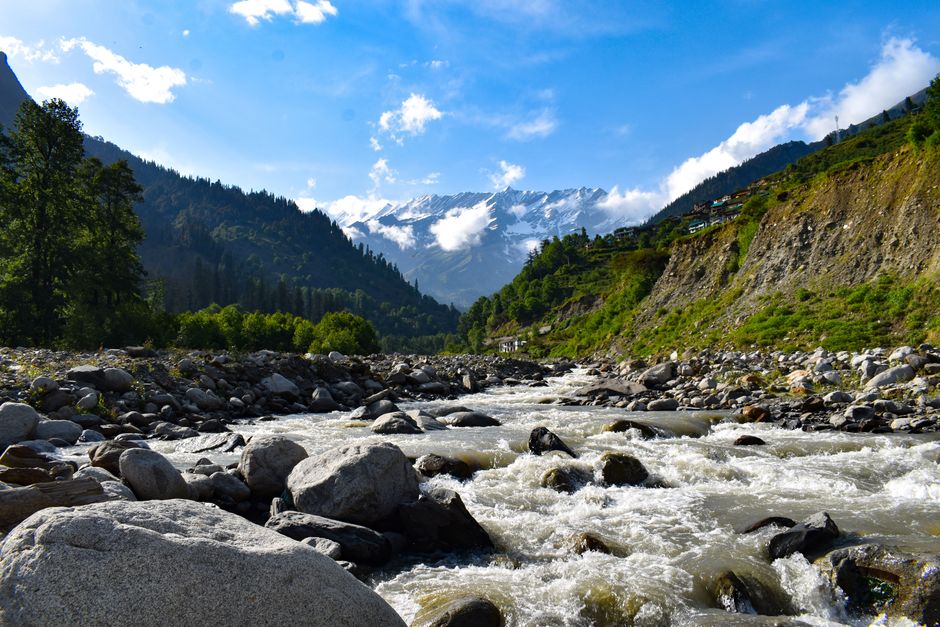
| Scenery | Green valleys, clear skies | Snow-draped peaks, mist |
| Best for | Families, first-timers | Couples, adventure seekers |
If you’re booking a Manali tour package from Delhi for a family first trip or want to maximise activities, summer (specifically May–early June) is the practical choice. If you’re after snowfall, solitude, and value for money, December–January delivers that with fewer compromises than most travellers expect.
Frequently Asked Questions
Is it safe to drive Delhi to Manali in winter?
Yes, with the right preparation. The Atal Tunnel has made the route significantly safer and more reliable in winter. However, always check current road conditions before departure, carry snow chains, and avoid night driving on mountain stretches. Hiring an experienced local driver rather than self-driving is strongly recommended.
Which Manali tour package from Delhi offers better value — summer or winter?
Winter packages generally offer better value. Hotel rates drop 30–50%, and many operators offer bundled rates that include skiing, meals, and transfers. Summer packages cost more but cover a wider activity range — so value depends on what you prioritise.
How many days is ideal for a Manali tour package from Delhi?
A minimum of five nights and six days is recommended to cover the major highlights without rushing. Seven nights gives you flexibility for Solang Valley, Rohtang Pass or the Atal Tunnel drive, Old Manali, and at least one day’s buffer for weather delays.
Do I need a permit for Rohtang Pass in summer?
Yes. A day permit is required and must be booked online through the Himachal Pradesh Tourism portal. The number of vehicles allowed per day is capped, so book your permit at least two to three days in advance during peak season.
What should I pack for a winter Manali trip?
Pack thermal inner layers, a heavy waterproof jacket, woollen socks, insulated waterproof boots, hand warmers, sunscreen (UV exposure increases at altitude), and a power bank. Most snow gear can be rented in Solang Valley if you’d rather travel light.
Can I visit Spiti Valley as part of a Manali package in summer?
Yes — the Manali–Spiti circuit via Rohtang Pass is one of the most spectacular routes in India and is accessible from mid-June through September. It requires an Inner Line Permit for Indian nationals. This extension typically adds three to four days to your itinerary.